
WINTER


·          GET READY, WINTERS COMING

        We start this mini series on Chinese medicine and living according to the seasons with Winter, winter will soon be upon us in all its fury and splendour. Chinese medicine emphasizes striking a balance in lifestyle activities, this includes the food we eat, the sleep we get, the amount of exercise we do, our delicate equilibrium between work and play, and psychological and emotional factors. To assist us in striking this balance the Chinese believe that changing and modifying our lifestyles according to the seasons can be the key to a long and healthy life.

During the winter months all things in nature wither, hide, return home, and enter a resting period, just as lakes and rivers freeze and snow falls. This is a time when yin (the forces of darkness and conservation) dominates yang (the force of light and serenity). Therefore, one should refrain from overusing the yang energy. Unfortunately, for many of us that’s all we do, over use our yang energy. We work and play 24/7. Our lifestyles are fast-paced. We live by our mobile phones, satellite TV, computers, the internet and we eat on the run. This is when everything slows down and is the time for storage, which means wrapping up and taking it easy to avoid problems with kidney energy. 

Lets take a look at how we can apply these ancient words of wisdom to our daily lives.

Sleep One should retire early and get up with the sunrise, which is later in the winter. You may find it harder to get up in the morning if you do not allow for a longer nights sleep. If you have time during the day take a short 20 minute nap in the afternoon.

DIET: Good news on the eating front - winter is the time to tuck in. Autumn, for example, is a good time for loading up on warmer, heavier foods in preparation for the winter.  This is not the time to be consuming cold, and uncooked foods such as salads and dressings. Consume meals hot in temperature. Concentrate on hot natured foods as well. Hot natured foods include lamb, pork, garlic, and peanuts. Alcohol consumed in moderation fits the winter season well. Hot grain cereals in the morning, heartier vegetables such as winter squash, winter peas, broccoli, sweet potatoes and yams. Prepare soups such as vegetable, chicken and bean. Lean beef stews are good too. Find ways to include cinnamon, cloves, oregano and Chinese white pepper in your foods. Winter corresponds to the kidneys, urinary bladder, bones, marrow and ears. The element, which relates to winter is water. Adhering to these practices will keep the kidney energy strong. Eat well to store energy but cut back and or avoid mucus producing foods such as dairy and fats. Stay away from unnatural and processed foods. Eat more fibre. Certain fruits are no longer in season so there is a natural tendency to lessen there intake. Recommended fruits are apples, pears, pineapple and citrus. In winter, the focus is on storing up energy, rest and meditation.  Beneficial warming foods include whole grains, cooked squashes and other root vegetables, nuts and seeds. Perhaps all that indulgence at Christmas is not so bad!

Emotions In the winter, the natural tendency is to direct our energy inward. We tend to gather and store. Rest and sleep will prepare us for the burst of energy the spring will bring. According to Chinese medicine, fear and fright are the emotions of the kidney organ system. Too much will cause injury to the kidney organ system. This may be a good time to spend some time with the family doing indoor activities.

Exercise Suitable and continuous physical exercises can strengthen the constitution of human body, regulate the vitality of human being and improve the body's physical and mental health. Continue to get exercise but don't overexert yourself. Walking and cardiovascular activities in moderation are good to do. One should choose the types of exercises according to one's physical condition and interest,Yoga, Tai chi and Qigong exercises are highly recommended.  Some will be glad to know that this is the time to slow down on the aerobics and the hi impact work-out. Always stretch before doing any physical exercise. The key here is consistency. Keep in mind that some exercise, however little, is better than no exercise. If you're worried about the few pounds you put on over the holidays, don't panic as it is natural to add body fat in the winter months. Those of you who are already considered over weight should continue with moderate exercise and balanced eating for weight loss.

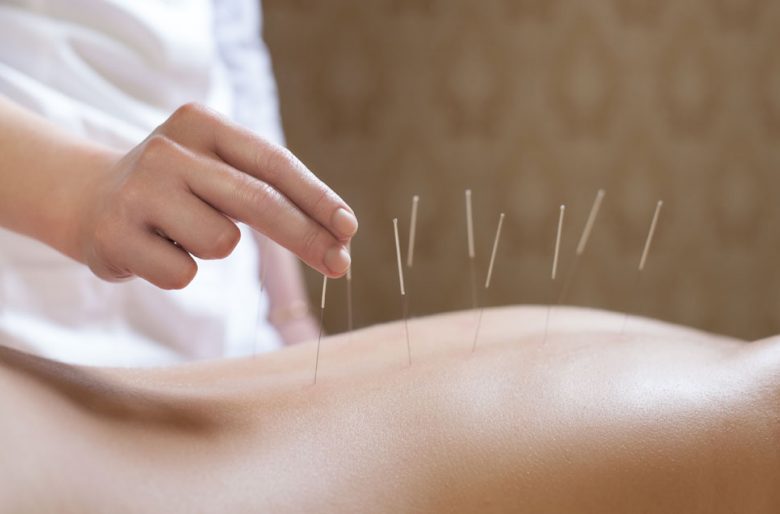
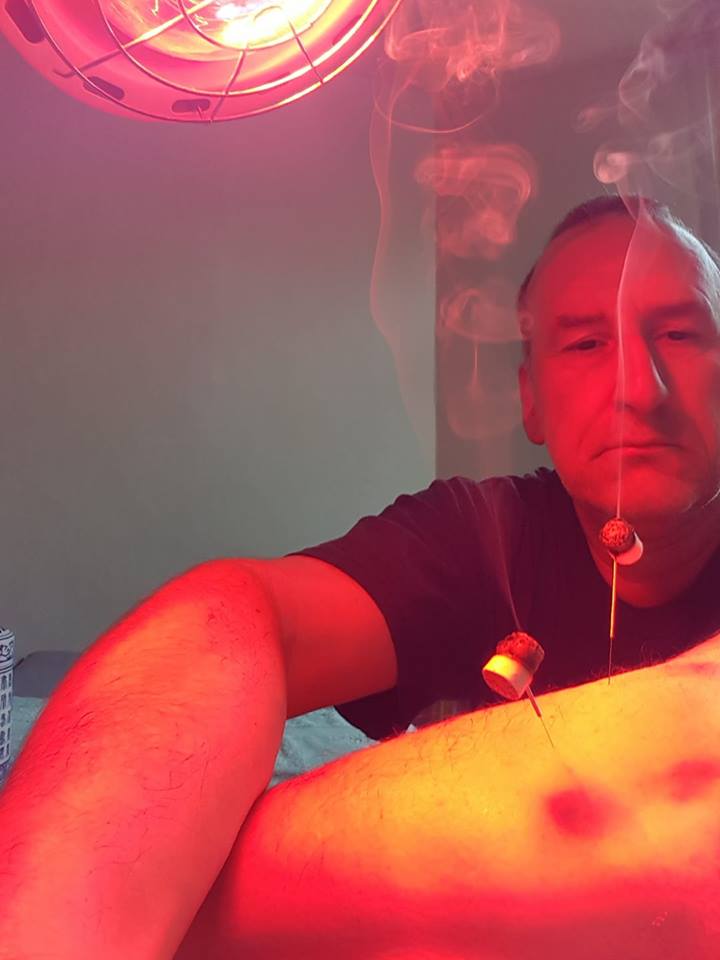
According to traditional Chinese medicine theory, cold is a pathogenic factor, which can invade the body to cause disease. When outdoors and indoors in some instances, dress in layers. Keep your whole body warm including your head, neck, hands and feet. If you tend to have cold and flu like symptoms during the winter months see your traditional Chinese medicine practitioner at the Phoenix Chinese Medical Centre. There you will find herbal soups to help boost the immune system. Combination herbal medicine and acupuncture work well to treat colds and flu.

"When it's cool out, we need to add more fuel to the furnace"

WRAP UP: Chinese doctors reckon people in the UK do not wear enough in the winter. Take the eastern advice - everyone there wears long-johns to conserve Jing.

Something to tickle your taste budes!!!

Hot and spicy Malaysian recipe for cold days

Recipe: Curry Laksa/Curry Mee, Adated from Kuali.com
Ingredients:
600g shelled cockles/bloody clams (optional), 500g prawns, steamed and shelled; use the heads to sweeten the stock by liquidising them with 500ml water, 3 to 4 pieces soaked cuttlefish, 200g fried soya bean cubes/tow pok (halved or quartered), 300g shredded, cooked chicken meat, 500g blanched bean sprouts, 600g blanched yellow noodles, 300g blanched vermicelli/rice sticks, 1kg grated coconut, mixed with 4 litres water and squeezed for the coconut milk to be used as main stock/sandtan.
Seasoning:
4 tbsp salt or to taste, 1 1/2 tbsp rock sugar, 1/2 tbsp MSG (optional)
Spices (finely ground):
100g shallots, 25g garlic, 3 tbsp coriander seeds, 4 tbsp chilli paste, 2 tbsp sliced lemon grass, 10 peppercorns, 1/2 tbsp belacan (Malaysian shrimp paste) granules
Chili oil: 110g chili paste. 25g garlic, pounded, 175ml to 200ml oil
Method:

Heat 1/2 cup oil to saute the spices till fragrant. Add in salt, rock sugar and 500ml general santan and bring to a low boil till sugar dissolves. Add in the rest of the coconut milk, tow pok. When soup comes to a boil, add prawn stock and seasoning, then bring to just boiling point. Remove from fire and use stock as a soup for the yellow noodles and vermicelli. (Should the gravy or stock curdle, strain it.)
For the chili oil: Saute garlic and chili paste in oil until the chili disintegrates and oil floats to the surface. (Use this to garnish when serving.)         

                      curry laksa             big